
Walking into your centre on June 21 will feel different from any exam you’ve sat before. After the May 3 paper leak, NTA has layered on security closer to an airport than a classroom. Knowing what’s coming removes most of the anxiety — here’s a clear breakdown of the NEET re-exam security checks 2026 you’ll actually go through.
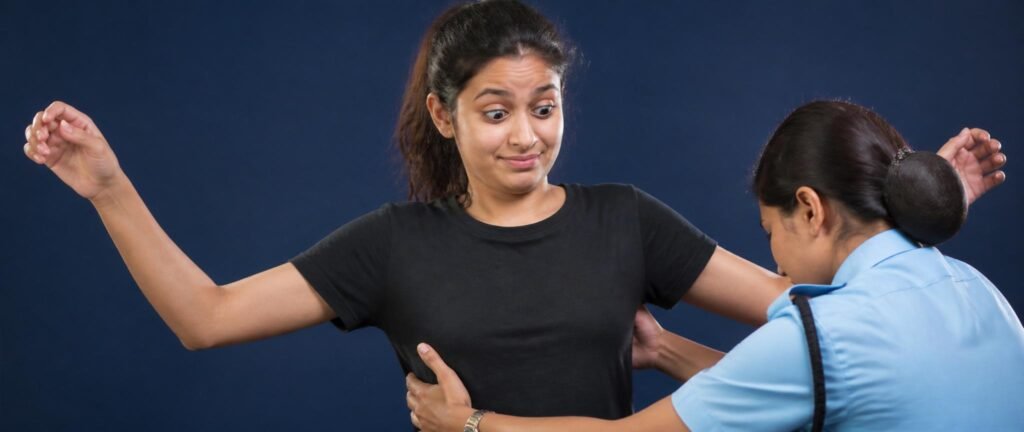
Table of Contents
Why NEET Re-Exam Security Checks 2026 Are So Much Stricter This Cycle
This isn’t routine caution. Following the CBI investigation into the May 3 leak, NTA brought in paramilitary forces, the Indian Air Force for question paper logistics, GPS tracking, and what officials describe as 100% CCTV coverage across centres. The agency has also acted against over 200 Telegram channels linked to malpractice. This is a system-wide response to a system-wide failure, not distrust of individual students.
Re-NEET 2026 Frisking: What Happens at the Gate
Expect multi-layer Re-NEET 2026 frisking, with separate arrangements for male and female candidates, using sensitive metal detectors. This is where most candidates lose time, so build in a real buffer:
- Frisking happens before biometric verification, so arrive well ahead of your reporting deadline
- Avoid metallic items, large belt buckles, and heavy jewellery — the most common cause of delays
- Religious or customary attire needing special clearance should be flagged by reporting early
For the full list of what to pack and wear, our last 48 hours checklist covers it in detail, and our piece on extra exam time explains how this stage fits into your overall reporting window.
Re-NEET 2026 Biometric Verification: Fingerprint and Facial Recognition
After frisking, every candidate undergoes Re-NEET 2026 biometric verification — fingerprint or facial recognition — before entering the room. This happens only before the exam starts or after it ends, never during your active writing time.
If your biometric can’t be completed — device failure, poor data quality, UIDAI connectivity issues, or physical inability — you’ll still be permitted to enter and write the exam, signing a written undertaking at the centre instead. A technical glitch should never cost a student their attempt.
Re-NEET 2026 AI CCTV: What It’s Actually Watching
This cycle introduces Re-NEET 2026 AI CCTV surveillance alongside standard cameras, covering entry points, classrooms, and control rooms holding question papers. Once your OMR sheet is filled, it’s sealed and escorted by CRPF and CISF personnel under continuous surveillance until evaluation. None of this should change how you write — it’s built to catch malpractice, not monitor honest candidates differently. Once you’re seated, your real focus shifts to the paper itself — our guide on OMR sheet filling covers the mistakes that cost marks even after clean security checks.
Building Time Into Your Plan
Frisking and biometric checks both happen within your reporting window — treat travel time and security-check time as separate budgets. The shift runs 2:00 PM to 5:15 PM (195 minutes), with eligible PwD/PwBD candidates entitled to compensatory time up to 6:20 PM. None of this eats into your 180 minutes of solving time, but it will eat into your buffer if you arrive late. Use your next mock test analysis session to rehearse the full reporting-to-seat sequence, not just the solving portion.
A Few Honest Reassurances
This Re-NEET 2026 exam center security setup feels intense on paper, but every part of it is fast once you know the sequence: frisking, then biometric, then your seat. Cooperating fully — rather than resisting checks — is the quickest way through; refusing biometric verification without a documented reason is treated as a violation under the Public Examinations (Prevention of Unfair Means) Act, 2024. If exam-day nerves are already building, our guide on managing exam anxiety pairs well with this one.
Final Word
The NEET re-exam security checks 2026 are extensive but predictable. Arrive early, dress simply, carry only what’s permitted, and cooperate at each stage — and the heaviest security NEET has seen in years becomes just another part of the day.
FAQs
Q: What are the main NEET re-exam security checks 2026 candidates should expect? A: The full set of NEET re-exam security checks 2026 includes multi-layer frisking with metal detectors, biometric verification through fingerprint or facial recognition, and AI-enabled CCTV surveillance, including during OMR transport after the exam.
Q: What happens if my biometric verification fails on exam day? A: You’ll still be allowed to enter and write the exam, signing a written undertaking at the centre instead, as per NTA’s exception protocol.
Q: Does AI CCTV surveillance affect how I should write my exam? A: No. It’s designed to catch malpractice, not to monitor honest candidates differently. Write your paper exactly as you normally would.
Q: How much extra time should I allow for security checks? A: Arrive well before your reporting deadline — frisking and biometric verification both happen within that window and can take longer during peak entry times.