

Plant Kingdom feels “easy” right up until a NEET question quotes an exact NCERT line most students skimmed past on their first read. These overlooked NCERT lines NEET Botany questions draw from aren’t hidden or obscure — they’re sitting in plain sight in the textbook, usually in a single sentence tucked between two facts everyone remembers. This article pulls together the NEET Botany NCERT line by line detail most commonly tested across all five plant groups, organised so you can actually revise them systematically instead of hoping they come up again in a random reread.
Table of Contents
Why Overlooked NCERT Lines NEET Botany Questions Keep Repeating
NTA doesn’t need to invent tricky questions for Plant Kingdom — NCERT already contains enough precise, easy-to-skim detail to fill an entire question paper. Students tend to remember the “headline” facts of each group (algae are aquatic, bryophytes are amphibians of the plant kingdom) but skip past the specific exceptions and numbers that these overlooked NCERT lines NEET Botany questions actually test. This is exactly the gap that turns mastering Botany for NEET from “I’ve read this chapter” into “I actually know this chapter.”
Since Plant Kingdom sits inside the diversity of organisms unit, overlooked facts here often connect to broader classification questions too, making this chapter disproportionately high-value to revise thoroughly rather than skim.
Algae: Facts Most Students Skim Past
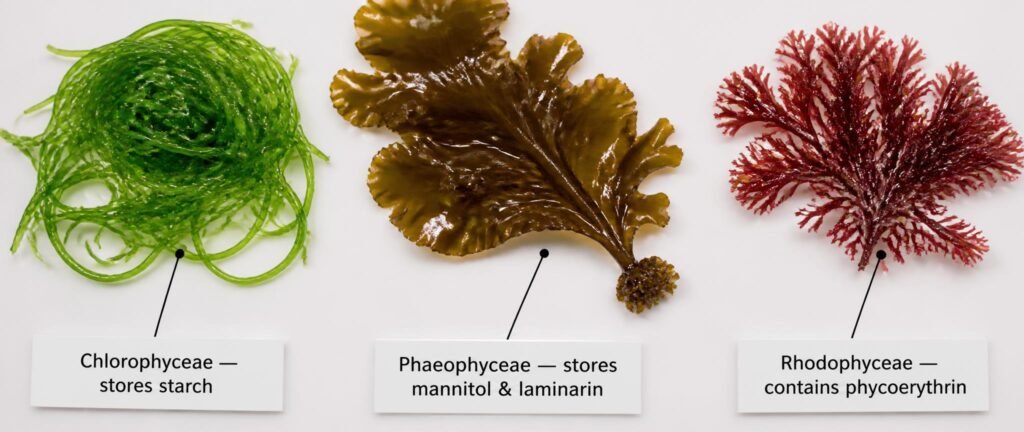
- Chlorophyceae store food as starch, while Phaeophyceae store food as mannitol and laminarin — a distinction NEET tests directly.
- Red algae (Rhodophyceae) contain phycoerythrin, which gives them their characteristic red colour and allows them to survive at greater ocean depths than green algae.
- Reproduction in algae can be vegetative, asexual, or sexual — and sexual reproduction shows three distinct types: isogamous, anisogamous, and oogamous.
- Agar, used widely in labs, is obtained from red algae, not green or brown algae as students often assume.
- Chlamydomonas and Volvox are frequently confused in questions asking about colonial versus unicellular green algae.
These are just the NEET Botany Plant Kingdom facts most students skim past in Algae specifically — the same pattern repeats across every group below.
Bryophytes: Facts Most Students Skim Past
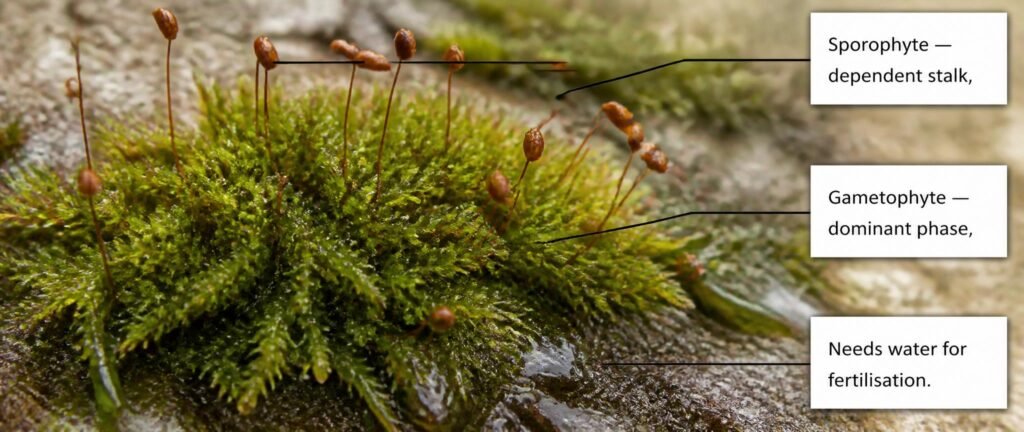
- Bryophytes are called “amphibians of the plant kingdom” specifically because they need water for fertilisation, not because they live in water generally.
- The dominant phase in the bryophyte life cycle is the gametophyte, not the sporophyte — a detail frequently reversed in incorrect options.
- Sphagnum, a moss, is economically important as a source of peat, used as fuel and in horticulture.
- Liverworts, mosses, and hornworts are the three main groups of bryophytes, each with distinct thallus or plant body organisation worth distinguishing individually.
- Bryophytes lack true vascular tissue, which directly explains their small size and dependence on moist habitats.
Reviewing this list alongside structured NCERT notes built specifically for exceptions and comparisons — not general summaries — makes the difference between recognising these facts and actually recalling them under exam pressure.
Pteridophytes: Facts Most Students Skim Past
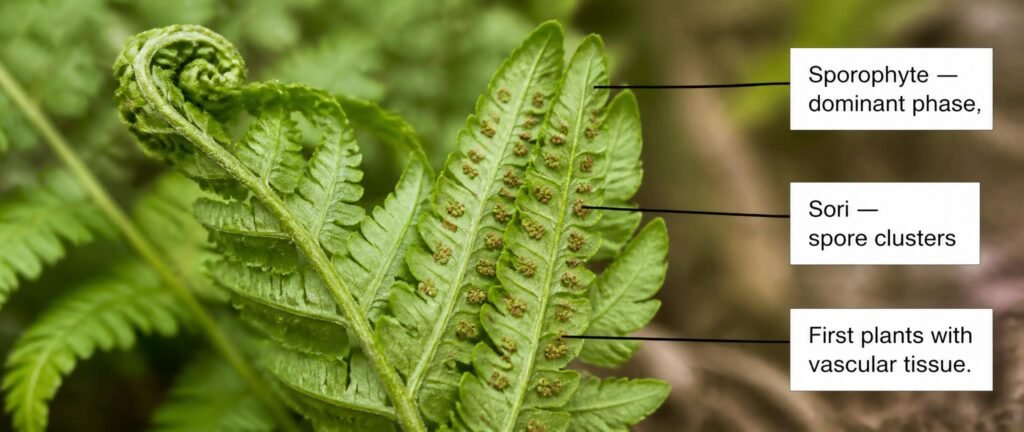
- Pteridophytes were the first terrestrial plants to possess vascular tissue — xylem and phloem — enabling greater size than bryophytes.
- The main plant body in pteridophytes is the sporophyte, the reverse of the bryophyte pattern, making this comparison a common Assertion-Reason target.
- Heterospory — production of two different kinds of spores — appears in some pteridophytes and is considered evolutionarily significant as a precursor to seed habit.
- Selaginella and Salvinia are common examples of heterosporous pteridophytes, frequently tested by name in identification-style questions.
- Pteridophytes are divided into four classes: Psilopsida, Lycopsida, Sphenopsida, and Pteropsida, a classification students often blank on despite recognising individual examples.
These Plant Kingdom NEET important lines around classification are also a favourite source for Plant Kingdom diagram questions and how to retain NCERT facts long-term, since NEET frequently pairs a structural diagram with a factual detail from the surrounding text, and these same precise comparisons are exactly the kind of material assertion reason style questions rely on, since the format rewards testing whether a Reason genuinely explains an Assertion rather than just restating a related fact.
Gymnosperms: Facts Most Students Skim Past
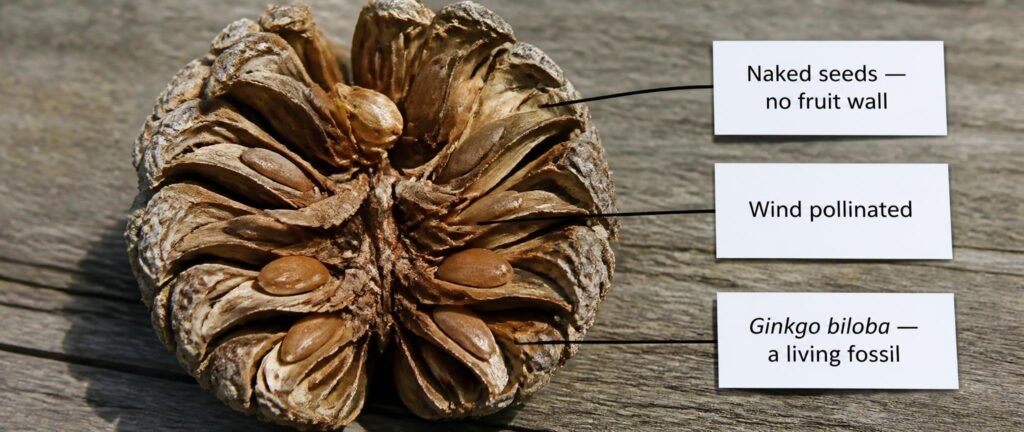
- Gymnosperm seeds are described as “naked” specifically because they aren’t enclosed within fruit walls, unlike angiosperm seeds.
- Cycas, Pinus, and Ginkgo are commonly cited examples, but Ginkgo biloba specifically is often called a “living fossil,” a detail worth remembering by name.
- Gymnosperms show heterospory, and their male and female gametophytes remain dependent on the sporophyte for nutrition — unlike the independent gametophyte stage in bryophytes.
- Pollination in gymnosperms is exclusively by wind (anemophily), a fact students often assume applies to all gymnosperm-angiosperm comparisons incorrectly.
- The formation of pollen chambers is a distinguishing structural feature of gymnosperms frequently overlooked in favour of more “visible” features like cones.
These NCERT Botany hidden details NEET questions test most often in Gymnosperms are precisely the ones that separate a quick read from genuine command of the chapter.
Angiosperms: Facts Most Students Skim Past
- Angiosperms are divided into dicotyledons and monocotyledons, distinguished by seed cotyledon number, leaf venation, and floral parts in multiples of four/five versus three.
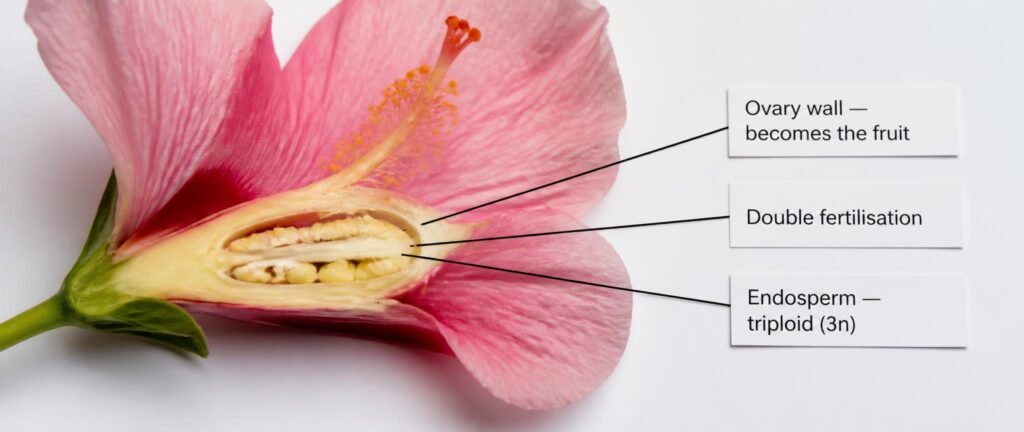
- The life cycle of angiosperms includes double fertilisation, a feature entirely unique to this group and a near-guaranteed NEET topic.
- The endosperm formed from double fertilisation is triploid (3n), a specific numerical fact that’s easy to overlook while focused on the fertilisation process itself.
- Angiosperms are further divided based on habitat and life span into categories often glossed over in favour of memorising just the two major classes.
- Fruit formation specifically from the ovary wall — not the entire flower — is a precise distinction NEET has tested through carefully worded Assertion-Reason and statement-based options.
How to Actually Retain These Facts
Many of these overlooked NCERT lines NEET Botany questions rely on also show up disguised as diagram-based questions, since NEET frequently pairs a structural diagram with a factual detail from the surrounding text. Extract each bullet above into your own revision system, quiz yourself cold a few days later, and specifically flag any fact you got wrong for a second, closer review.
These overlooked NCERT lines NEET Botany also tests through statement-based reasoning questions frequently, since Plant Kingdom’s precise comparisons between groups make the format especially natural to apply here.
Final Word
Plant Kingdom rewards precision over general familiarity more than almost any other Botany chapter. The overlooked NCERT lines NEET Botany tests aren’t obscure trivia — they’re lines every NEET aspirant has technically read at least once, but only a fraction have actually revised carefully enough to recall under exam conditions. Go through each group above, mark what you didn’t already know cold, and revise those specifically before your next mock.
Frequently Asked Questions
Q: Is Plant Kingdom a high-weightage chapter for NEET Biology? A: Yes, Plant Kingdom is one of the more consistently tested Botany chapters, particularly through classification-based, comparison-based, and diagram-based questions across algae, bryophytes, pteridophytes, gymnosperms, and angiosperms.
Q: Which sub-group of Plant Kingdom is most commonly tested? A: Angiosperms and gymnosperms tend to appear most frequently, largely because they lend themselves to precise comparative questions, though all five groups are represented regularly across NEET papers.
Q: How should I revise overlooked NCERT lines specifically? A: Extract them into a dedicated list separate from your general chapter notes, then use spaced, active recall revision rather than simply rereading the textbook, since rereading is exactly what caused these lines to be overlooked the first time.
Q: Are these overlooked facts usually tested as direct questions or through Assertion-Reason format? A: Both formats appear regularly, but Assertion-Reason and statement-based questions are particularly common for Plant Kingdom, since the chapter’s precise comparisons between groups suit that question style well.
Q: Should I memorise scientific names exactly, or is understanding the concept enough? A: Both matter. NEET frequently tests specific named examples (like Ginkgo biloba or Selaginella) alongside the underlying concept, so memorising names precisely alongside their significance is necessary for full marks.
Q: How is Plant Kingdom connected to other Biology chapters? A: Plant Kingdom connects closely to the broader diversity of living organisms unit and later plant physiology chapters, so a solid foundation here makes several other chapters significantly easier to learn.