

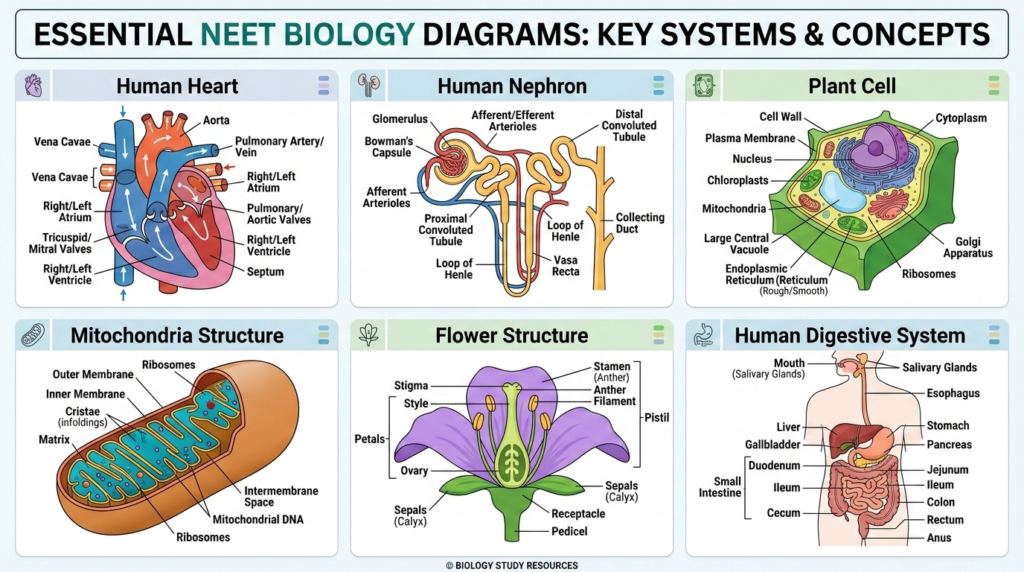
When it comes to cracking the medical entrance exam, theory alone won’t save you. Biology is visual. And if you ignore these tricky NEET biology diagrams, the paper will humble you.
Mastering complex Biology diagrams can easily boost your score because image-based questions are direct, scoring, and less time-consuming.
Every year, multiple image-based questions appear from tricky labeled figures. Some look simple — until the options confuse you. So let’s break down the most challenging diagrams that repeatedly test conceptual clarity, labeling precision, and memory strength.
1) Human Heart (Internal Structure)
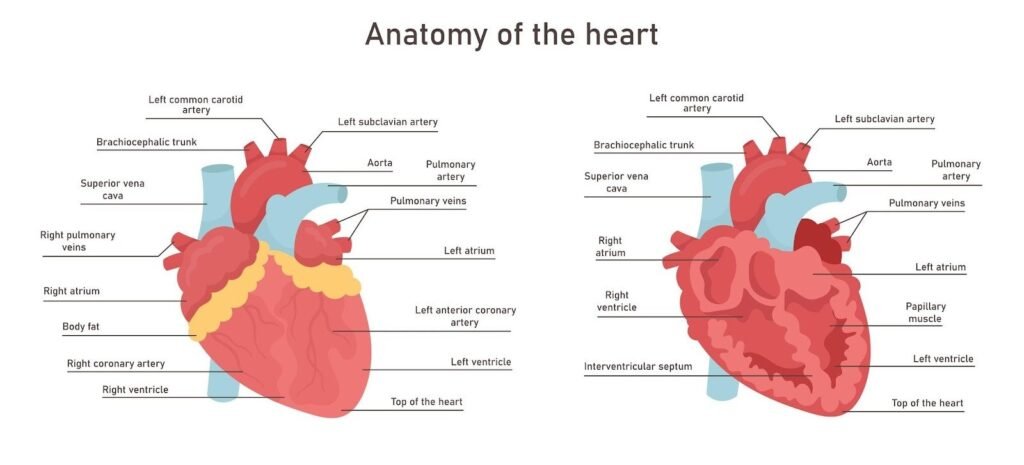
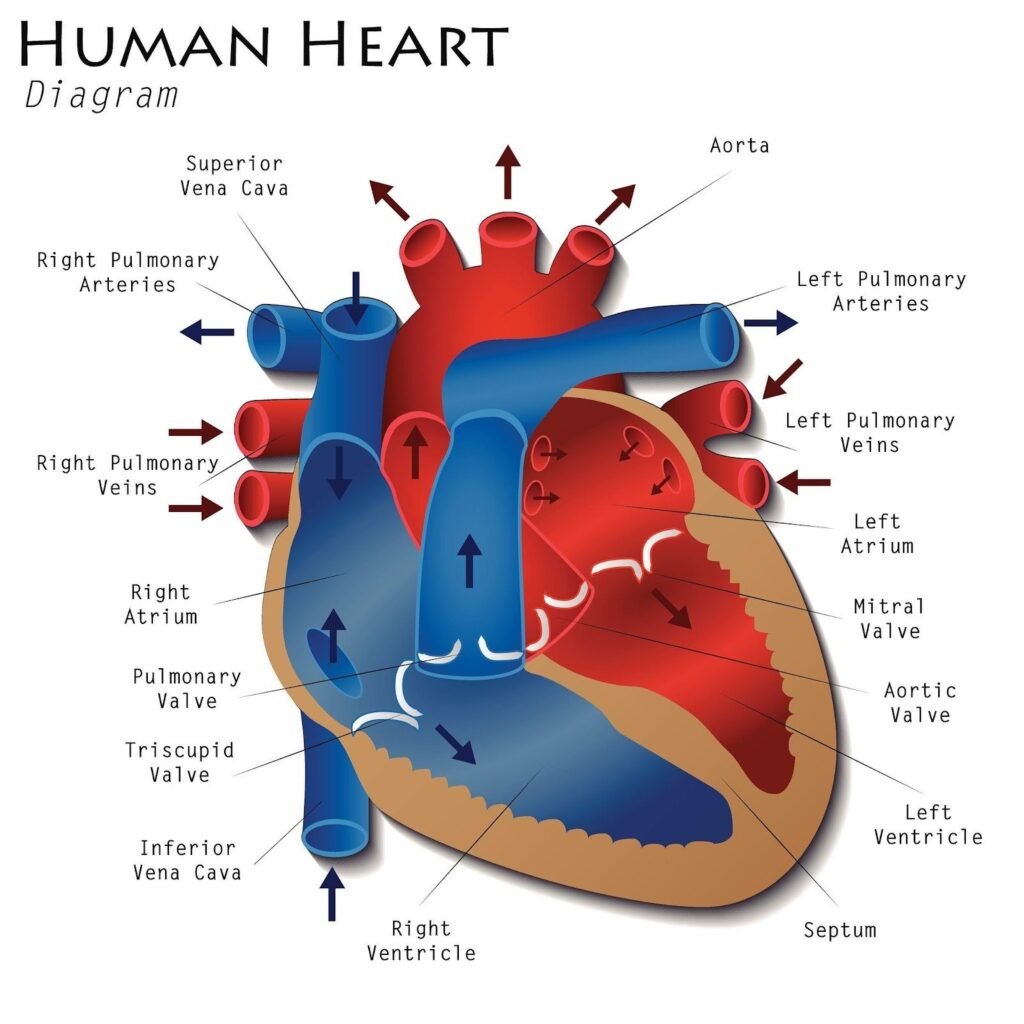
This diagram looks easy. It’s not.
Students often confuse:
- Tricuspid vs Bicuspid valve
- Pulmonary artery vs Pulmonary vein
- Oxygenated vs Deoxygenated flow
Why it’s tough:
- Questions twist blood flow direction.
- Labeling errors cost direct marks.
- Double circulation concepts are linked here.
Pro tip: Always trace the blood pathway mentally instead of memorizing labels randomly.
2) Nephron (Structural and Functional Unit of Kidney)
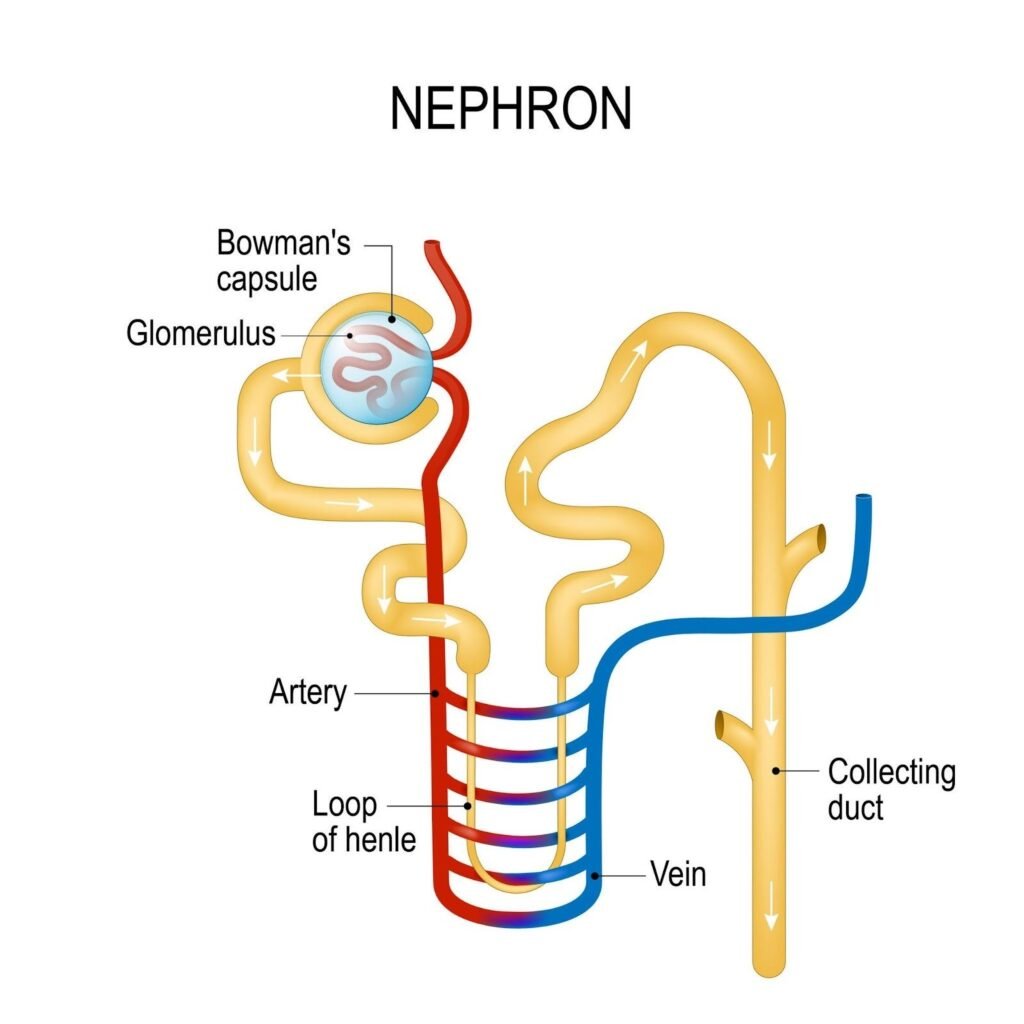
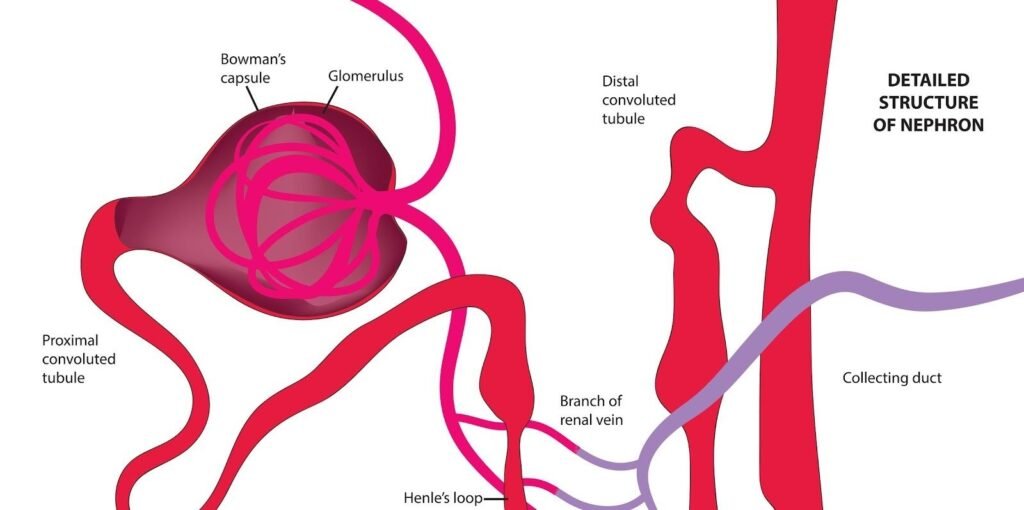
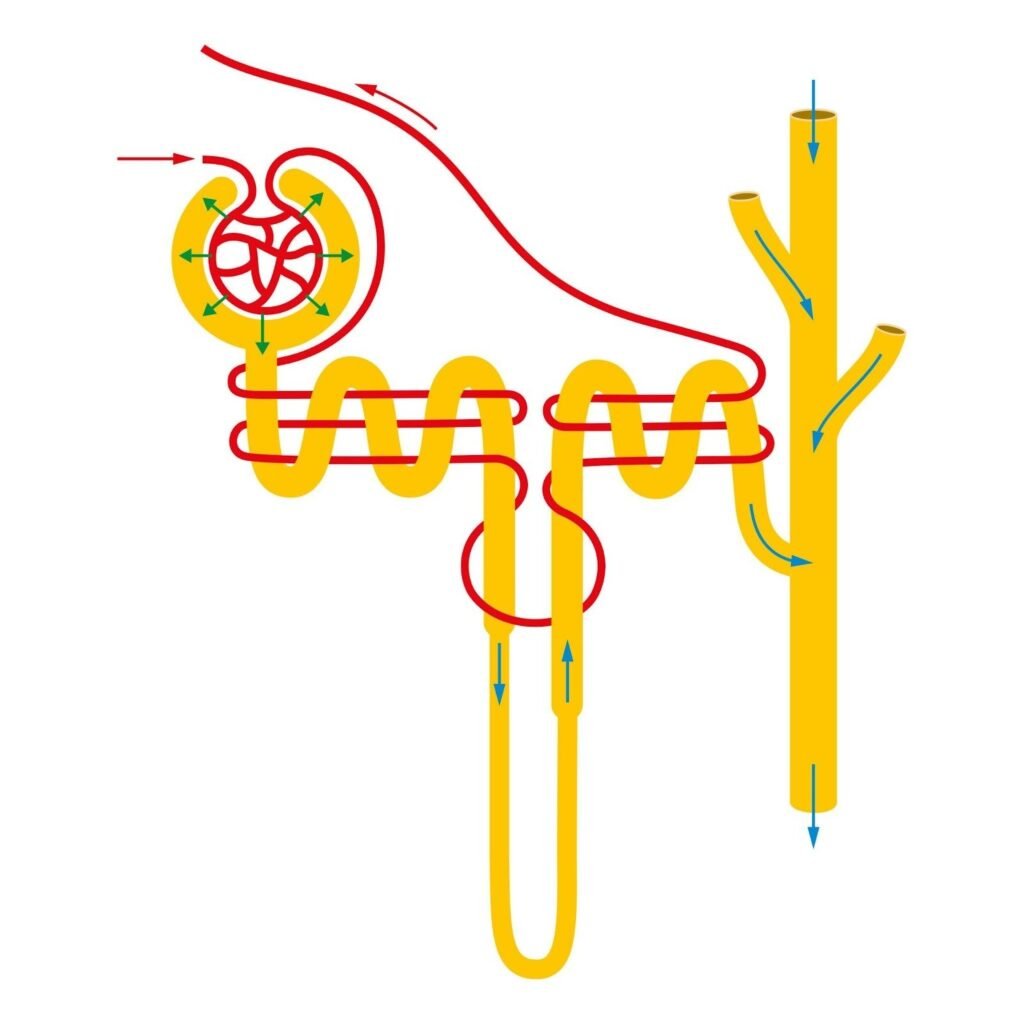
The nephron diagram is a favorite for exam setters.
Common confusion areas:
- PCT vs DCT
- Loop of Henle descending vs ascending limb
- Juxtaglomerular apparatus position
Why it’s challenging:
- Questions combine structure + function.
- Counter-current mechanism concepts are linked.
- Minor labeling differences change the answer.
You can’t fake understanding here. Either you know filtration, reabsorption, and secretion — or you don’t.
3) Flower Structure (Angiosperm)
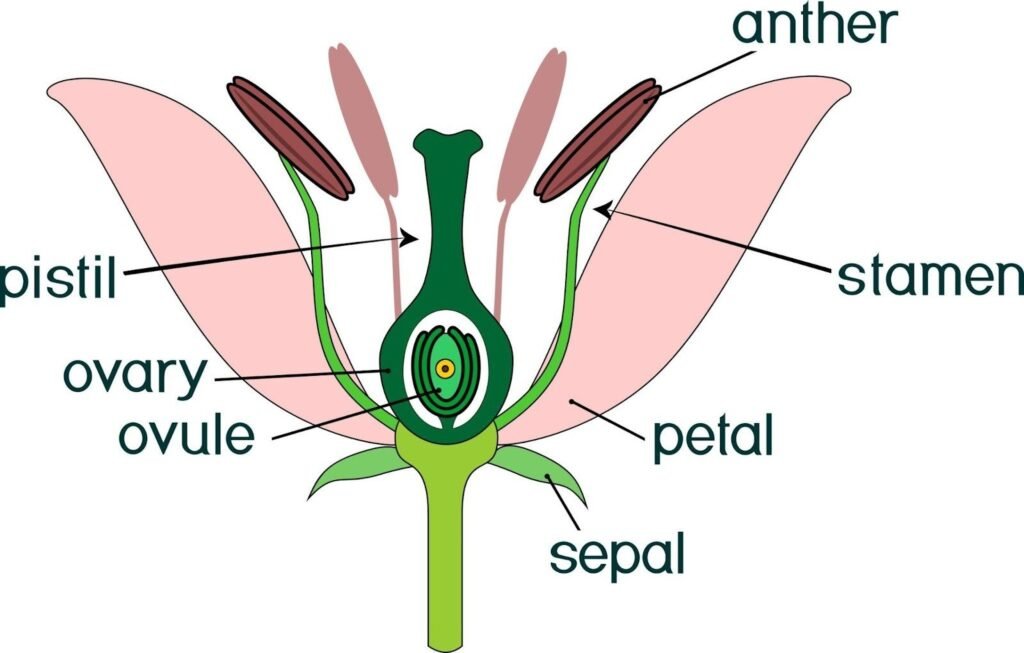
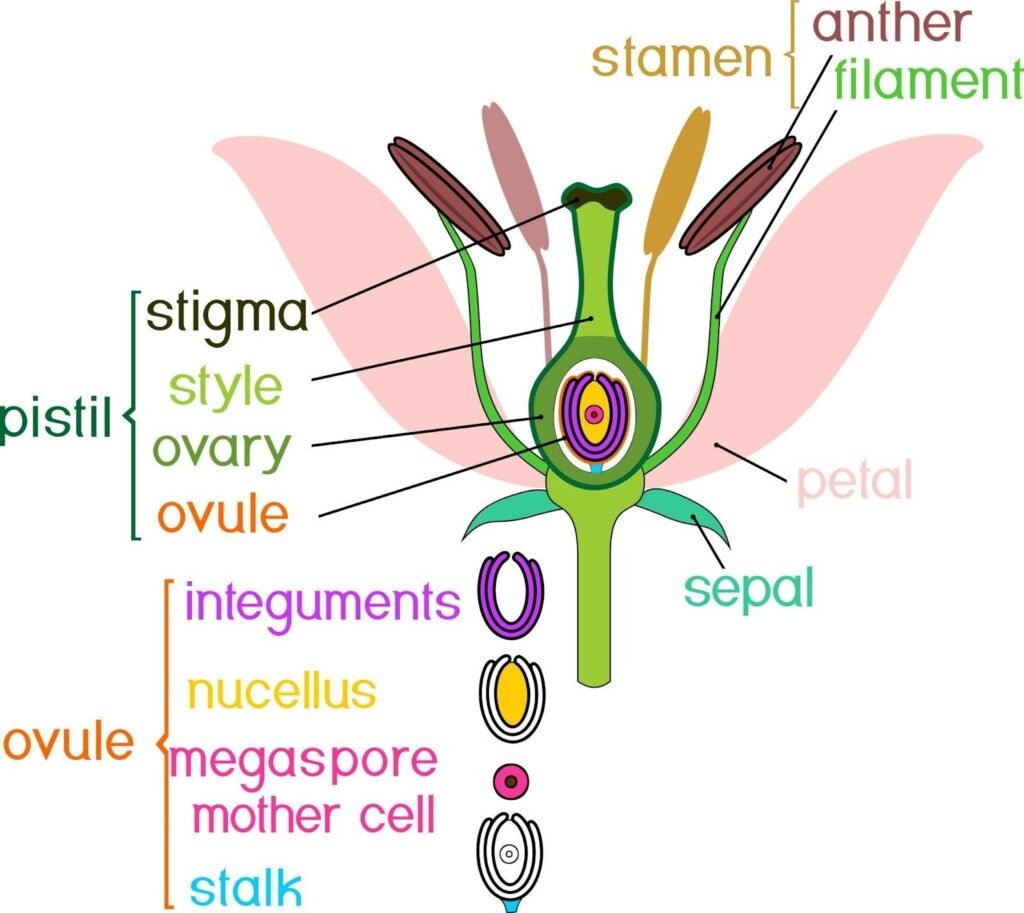
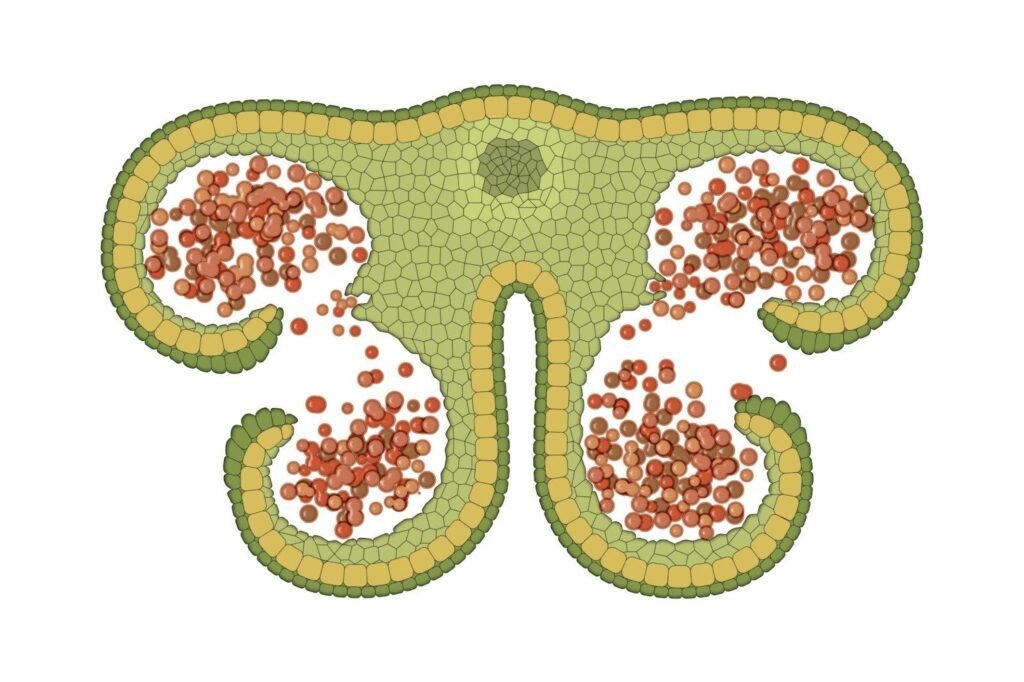
This one traps even strong students.
Watch out for:
- Microsporangium layers
- Placenta vs Ovule positioning
- Types of aestivation
Why it’s difficult:
- The examiner may zoom into a specific part.
- Reproductive processes are linked to the structure.
- Subtle NCERT details matter.
If your basics from Morphology of Flowering Plants are weak, this diagram exposes it instantly.
4) Human Brain (Sagittal Section)
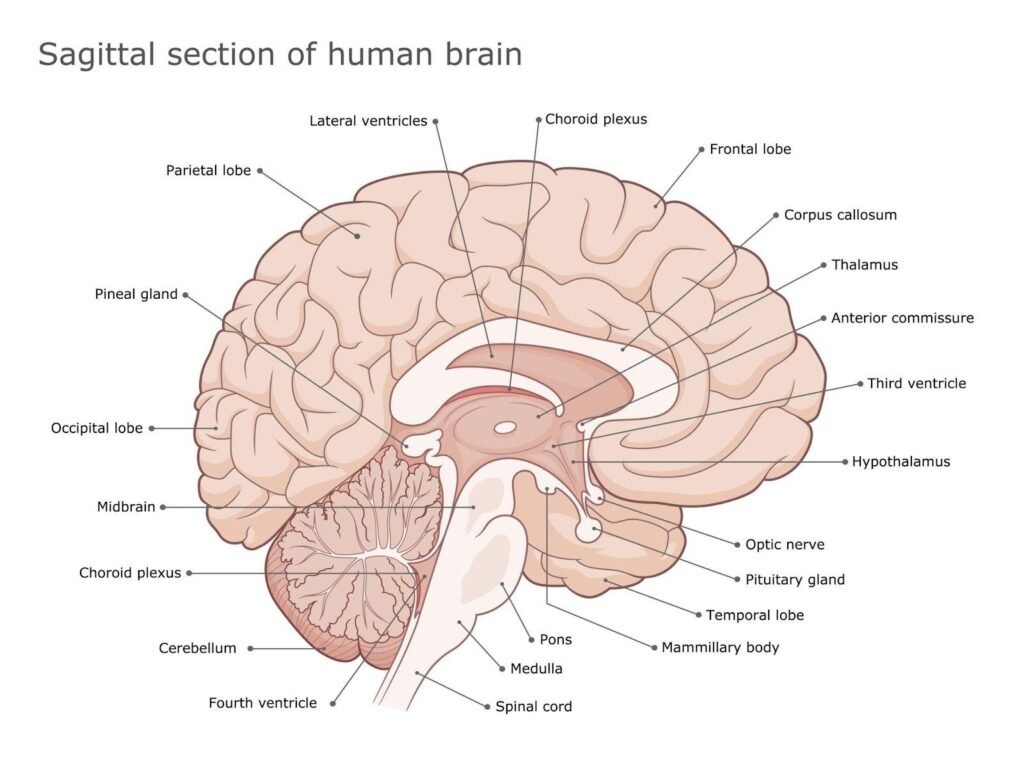
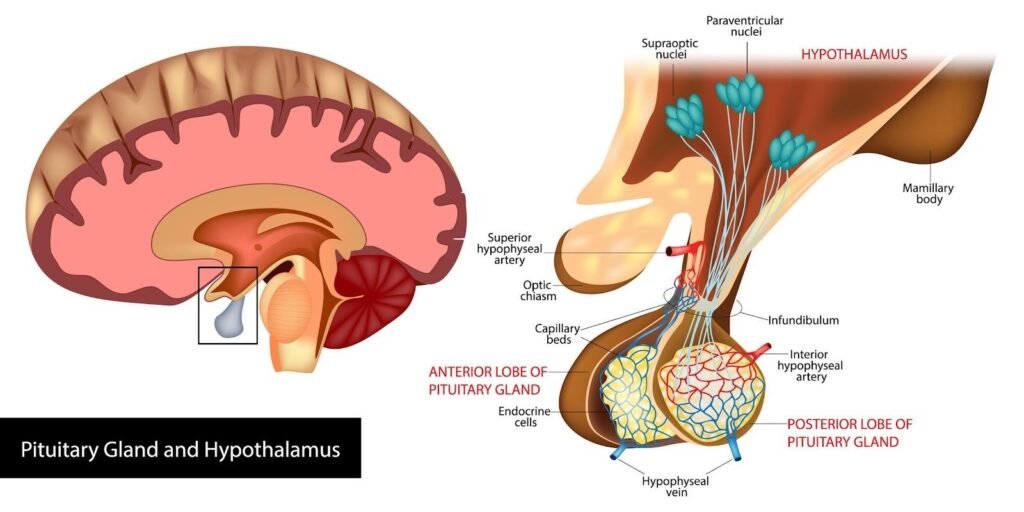
Looks artistic. Feels terrifying.
Confusion hotspots:
- Hypothalamus vs Thalamus
- Cerebellum vs Cerebrum
- Position of pituitary gland
Why it’s tricky:
- Questions test functional mapping.
- Hormonal control is linked here.
- Minor label swaps create wrong answers.
This diagram connects nervous system + endocrine control. So it’s concept-heavy.
5) DNA Replication Fork
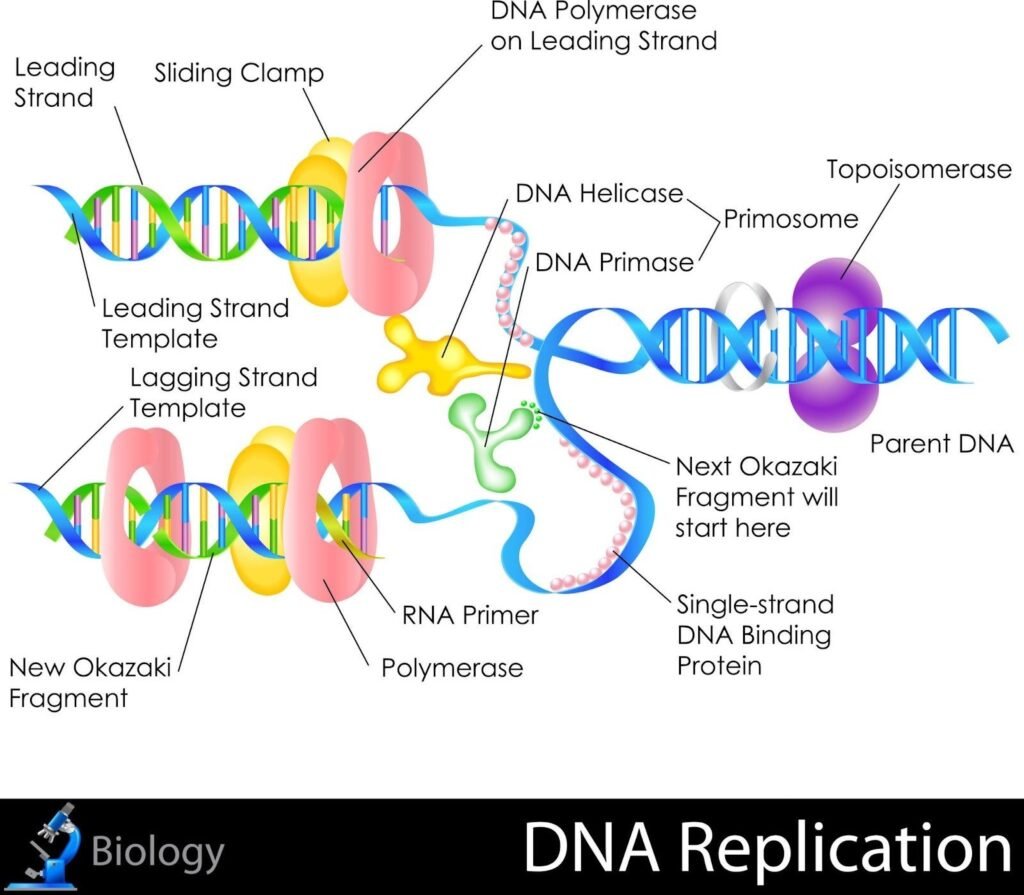
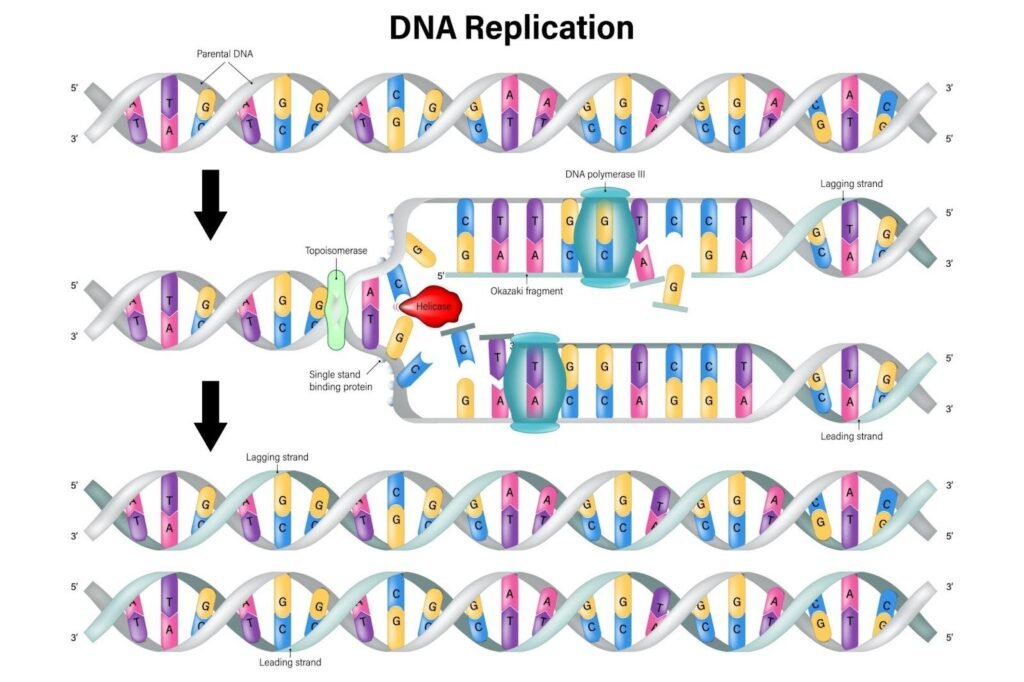
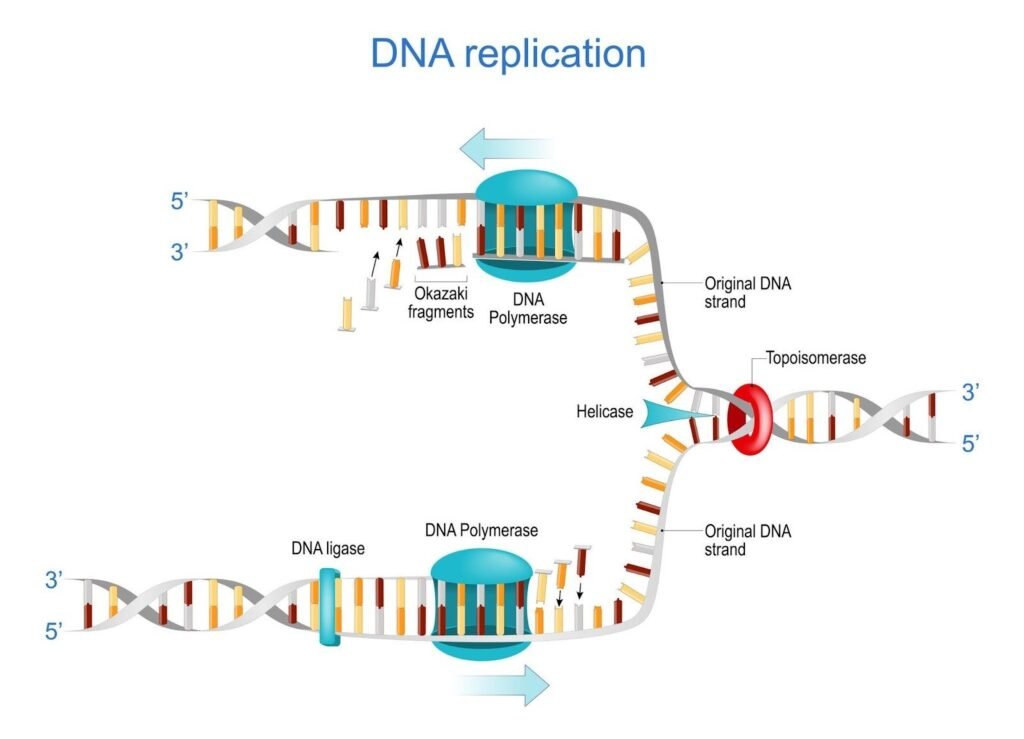
Molecular diagrams are silent killers.
Common mistakes:
- Leading vs Lagging strand
- Direction of synthesis (5’ → 3’)
- Enzyme positioning
Why it challenges students:
- It combines structure + enzyme function.
- Conceptual clarity is required.
- One directional error = one lost mark.
You need logic, not rote memory.
6) T.S. of Dicot and Monocot Stem
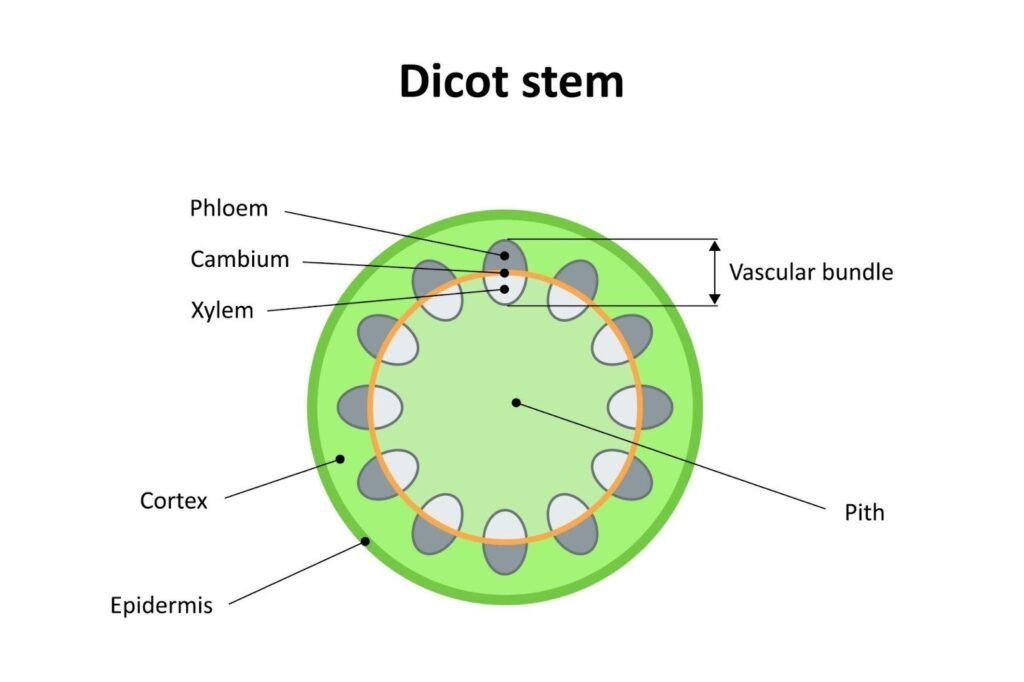
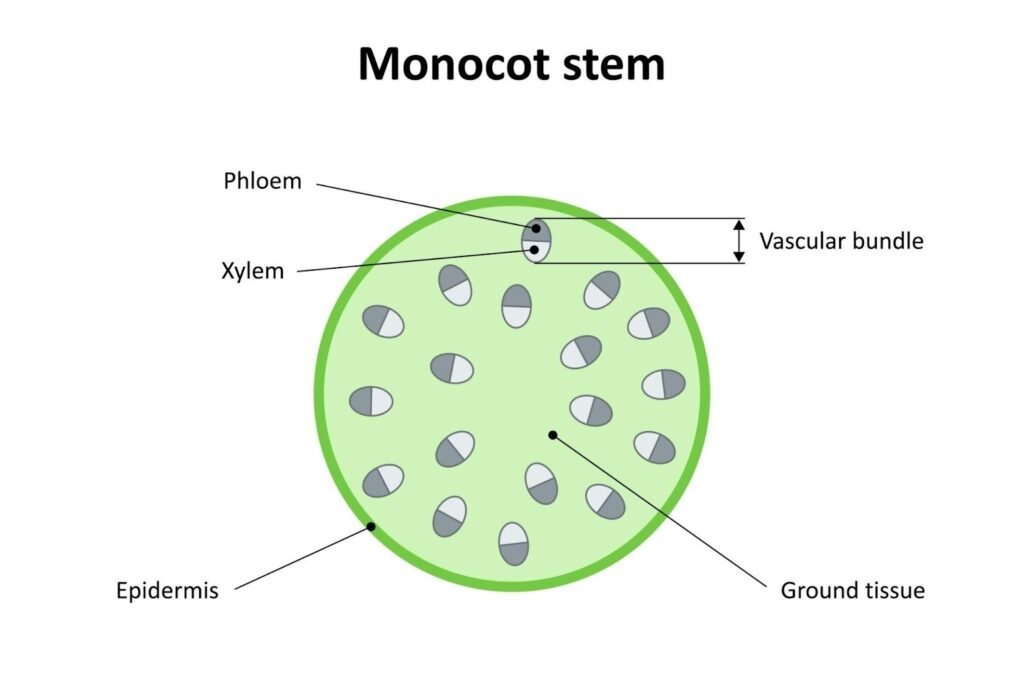
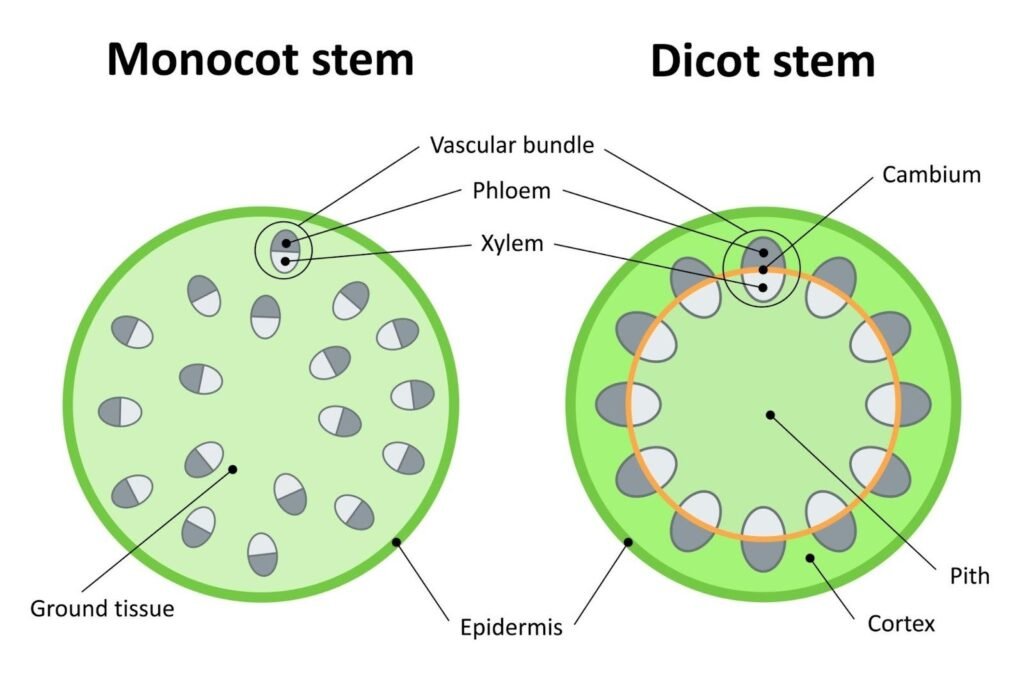
The comparison game starts here.
Frequent confusion:
- Arrangement of vascular bundles
- Presence of cambium
- Ground tissue differences
Why it’s challenging:
- Questions often give partial diagrams.
- You must identify from tiny details.
- Secondary growth concept may be linked.
If anatomy basics are shaky, this section becomes risky.
7) Human Eye (Longitudinal Section)
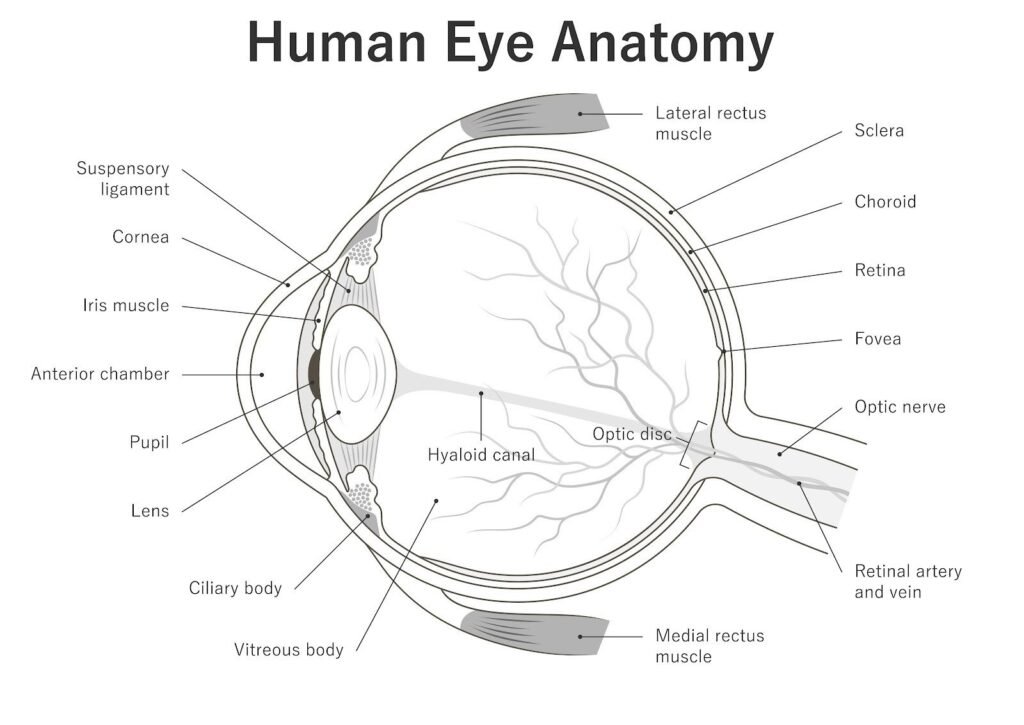
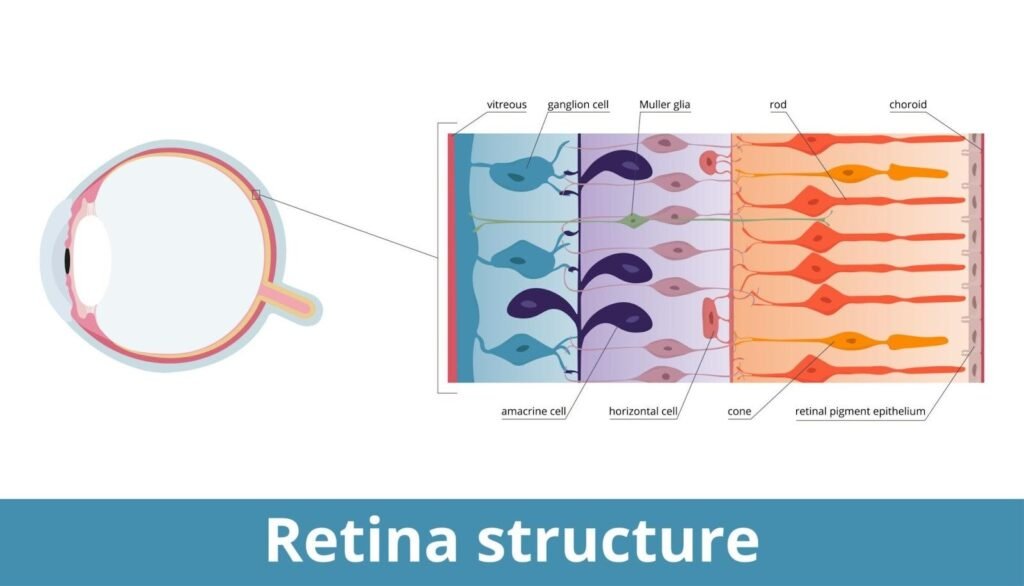
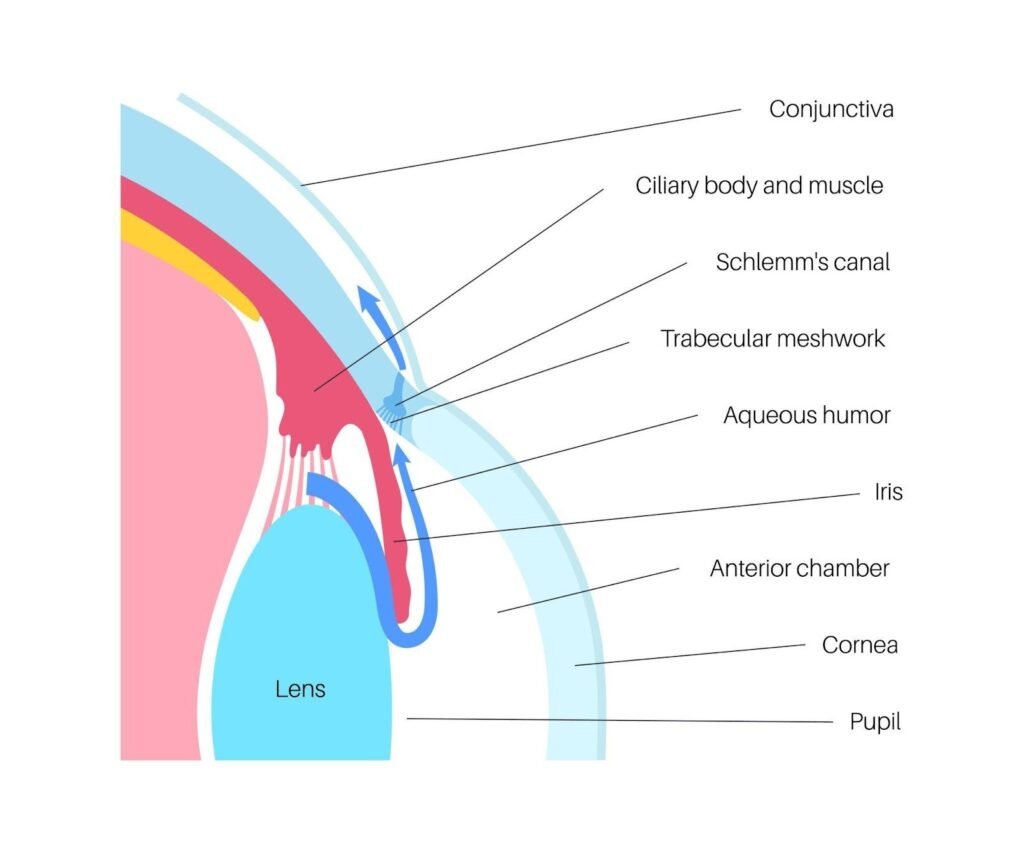
This diagram is deceptively simple.
Trap areas:
- Blind spot vs Yellow spot
- Retina layers
- Aqueous vs Vitreous humour
Why it’s tough:
- Visual physiology questions are attached.
- Refraction defects may be linked.
- Tiny labeling mistakes cost easy marks.
Understand accommodation, not just structure.
8) ECG Graph
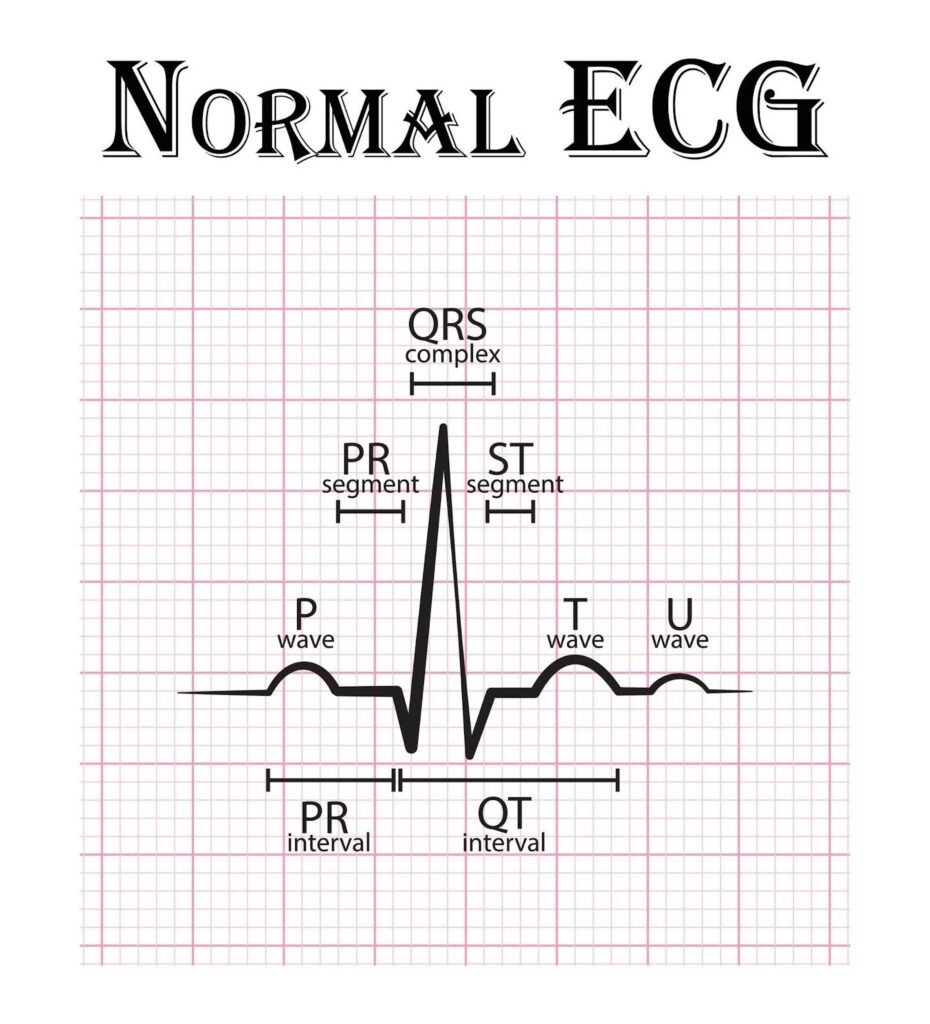
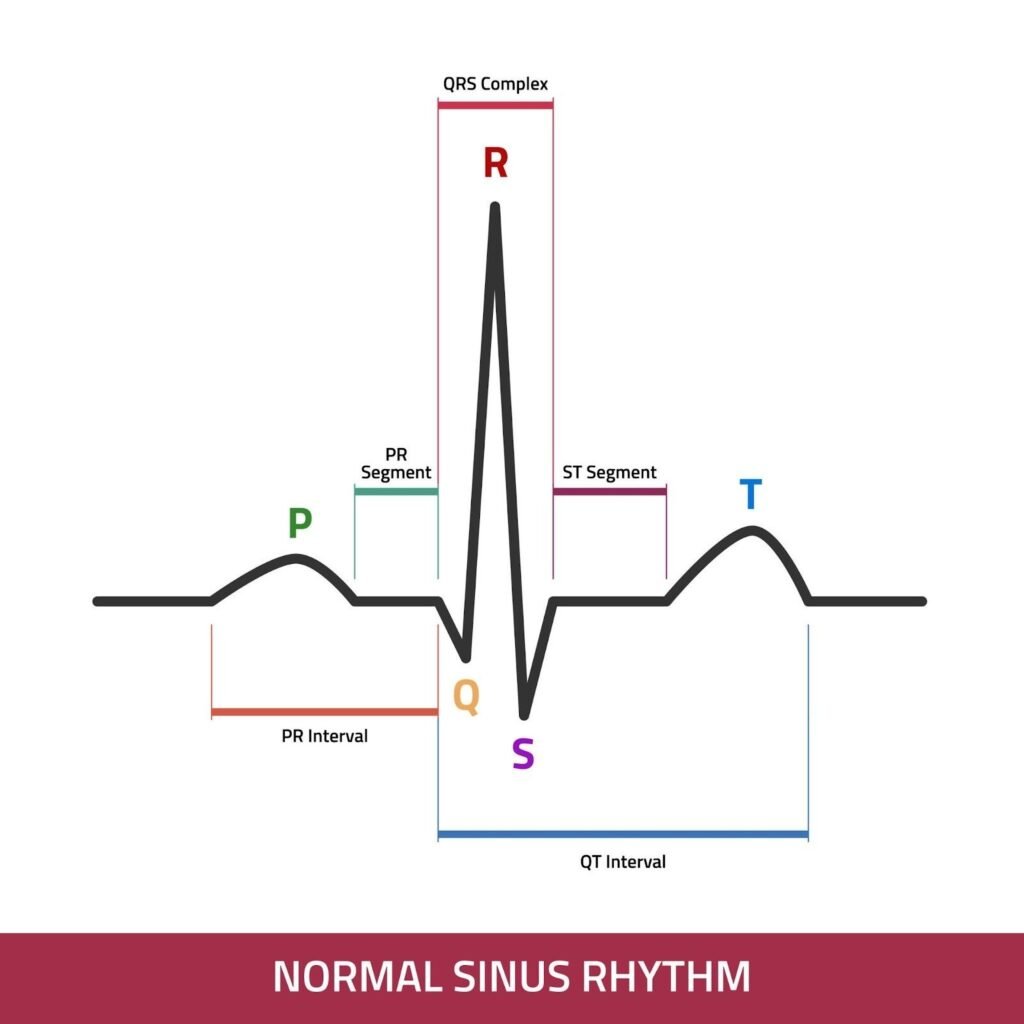
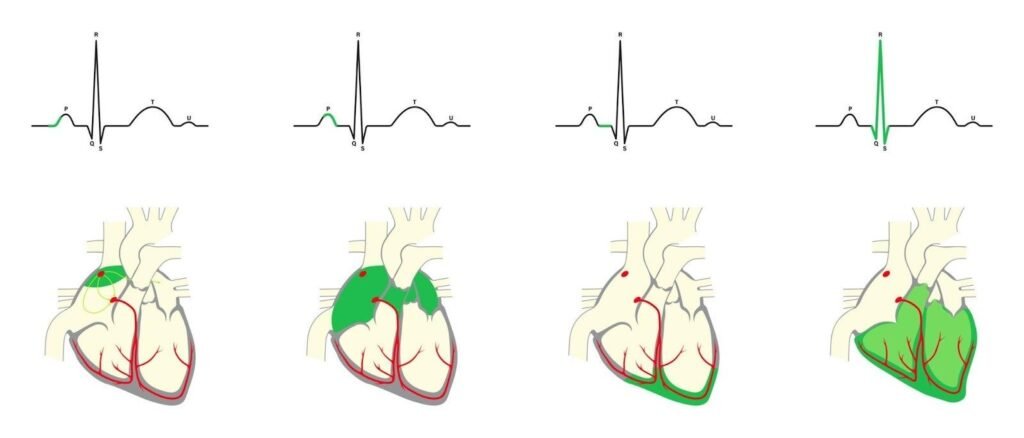
Graph-based diagrams need interpretation.
Confusions:
- P wave meaning
- QRS complex significance
- T wave representation
Why it’s challenging:
- Questions test cardiac cycle relation.
- Interpretation-based, not memory-based.
- Sequence matters.
Understand depolarization vs repolarization clearly.
9) Nitrogen Cycle
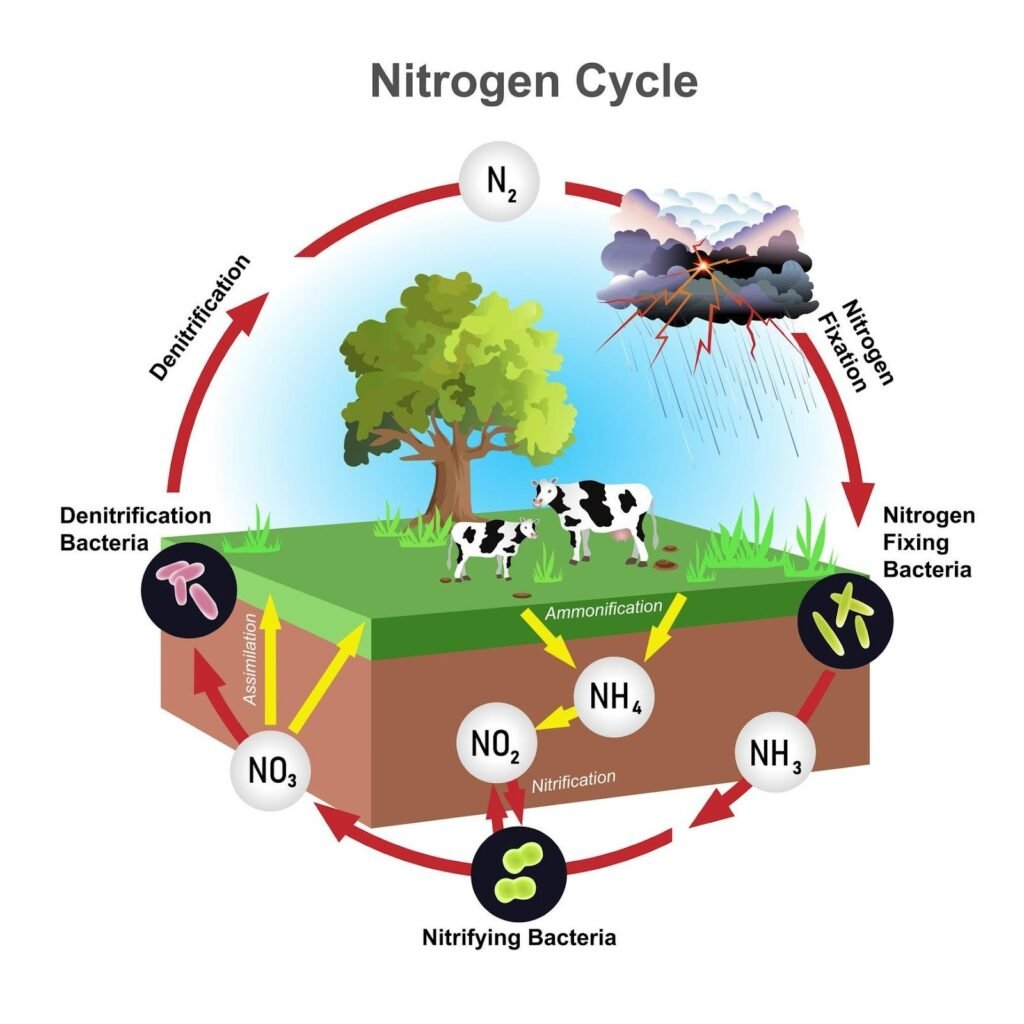
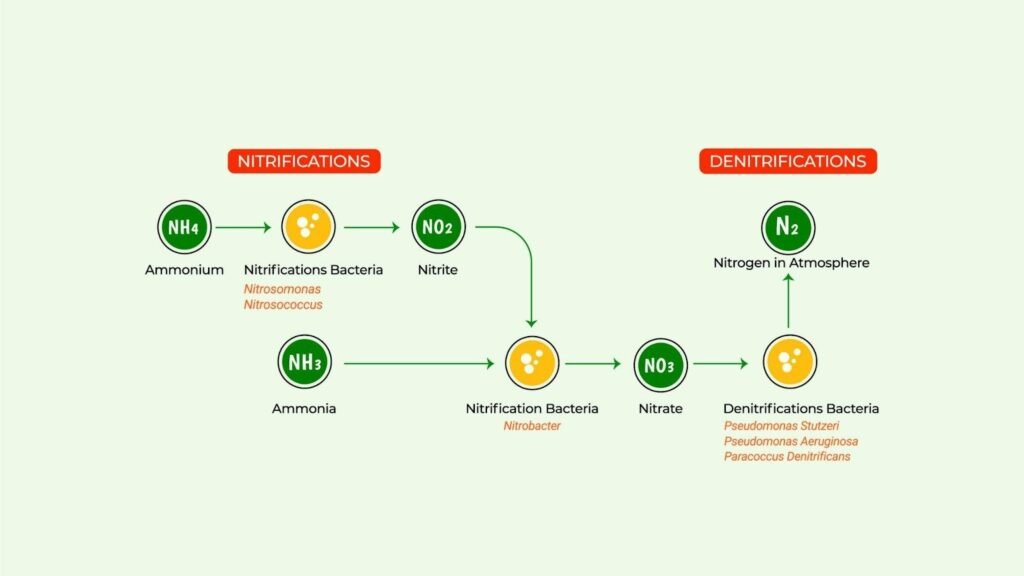
Ecology diagrams look easy but hide depth.
Students confuse:
- Nitrification vs Denitrification
- Bacterial roles
- Chemical conversions
Why it’s tricky:
- Direct factual questions appear.
- Missing one step ruins the answer.
- Often asked with assertion-reason format.
Memorize sequence logically.
10) Operon Model (Lac Operon)
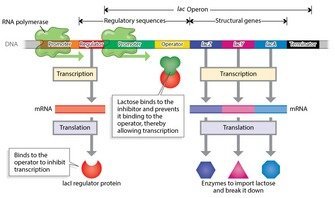
Genetics diagrams demand precision.
Common confusion:
- Promoter vs Operator
- Structural genes order
- Repressor binding mechanism
Why it’s difficult:
- Questions mix diagram + concept.
- Requires understanding of gene regulation.
- Minor placement errors change answers.
No shortcut works here. You either understand regulation or you gamble.
Final Thoughts (Be Honest With Yourself)
Diagrams are not a decoration in Biology. They are scoring weapons.
If you:
- Skip practicing labeled figures
- Ignore NCERT diagrams
- Memorize without understanding
Then the paper will punish you.
Start revising diagrams daily. Redraw them. Label them. Question them. Challenge yourself.
In Part 2, we’ll cover more advanced and rarely discussed high-weightage visuals that can decide rank.
Stay sharp.
[…] https://ksquareinstitute.in/blog/top-10-challenging-neet-biology-diagrams/ […]
[…] Biology contains many visual concepts that are easier to remember with diagrams. Practicing labeled diagrams improves memory recall during exams. You can explore essential diagrams in our guide: Top Biology Diagrams Every NEET Aspirant Should Master. […]
[…] Top 10 Tricky NEET Biology Diagrams Students Often Get Wrong […]
[…] can make biological concepts much easier to understand and remember. You can explore this guide onTop 10 Tricky NEET Biology Diagramsto revise commonly confusing diagrams that frequently appear in the […]
[…] Diagrams are especially important because visual memory improves retention. Students can practice common exam diagrams from this guide on tricky NEET Biology diagrams. […]
[…] M2V2) / (V1 + V2) RELATED BIOLOGY GUIDES NEET Biology Tricks for Exams Score 340 in NEET Biology Top 10 Tricky NEET Biology Diagrams […]
[…] Top 10 Tricky NEET Biology Diagrams […]
[…] QUICK NAVIGATION NEET Physics Survival Kit 2026 Organic Chemistry Strategy Tricky Biology Diagrams […]
[…] Download Full PDF Notes MUST-READ FOR NEET 2026 NEET Physics Survival Kit 2026 Organic Chemistry Revision Strategy 10 Tricky Biology Diagrams to Master […]